Music Keyboard Price in Sri Lanka for Practice in Small Homes

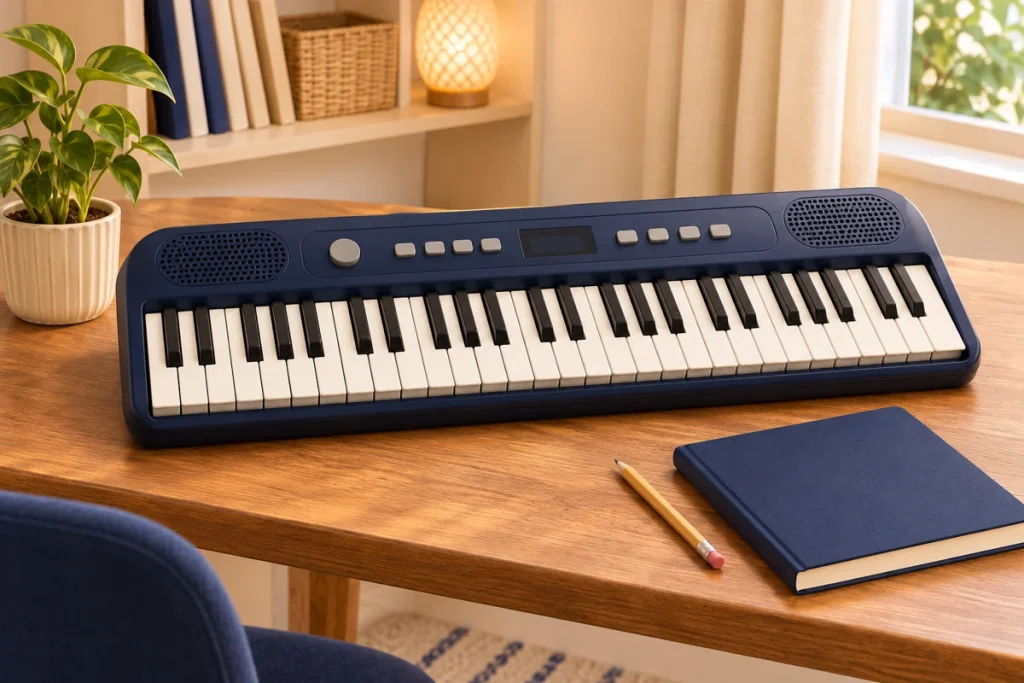
A compact instrument can make musical practice possible in a home where every surface has several uses. The purchase still needs planning, because a keyboard that is difficult to set up may spend more time stored away than played. When comparing music keyboard price in Sri Lanka, consider the mini keyboard's place in the room as carefully as its features. Compact keyboard practice works best when the instrument, seating and listening arrangement can become part of an ordinary routine without unnecessary effort before each session.
Measure the space where you will play
Identify a stable surface and measure its usable width and depth. Leave room for the player to sit comfortably and for any necessary connections. A keyboard's overall dimensions matter more than an impression from a product photograph. If the surface also serves as a study desk or dining table, decide how the instrument will move between use and storage.
Check that the planned position allows a comfortable reach to the keys. A compact instrument should not require the player to balance it on an unsuitable edge or hold an awkward posture. If a separate support is needed, include it in the budget. The right space is one that can be used regularly and safely, rather than a location that works only for a demonstration.
Plan how practice fits the household
Choose realistic times when the instrument can be used without creating unnecessary conflict with work, study or rest. Short regular sessions may be easier to accommodate than occasional long sessions. Explain the routine to other people sharing the room. The aim is to create a predictable opportunity to play rather than treating every practice period as an interruption to the household.
Volume control should be straightforward. If private listening is important, confirm that the selected model supports the required output and ask which connection or accessory is appropriate. Do not assume every mini keyboard has the same capability. Where headphones are used, keep listening levels sensible and follow the relevant equipment guidance instead of using isolation as a reason to raise the volume unnecessarily.
Choose power for the intended routine
Ask whether the model uses batteries, a specified adapter or another supported arrangement. Confirm which items are included with the purchase. A portable setup may be convenient, but it also requires a plan for keeping the instrument ready to use. The correct choice depends on where practice occurs and how often the keyboard moves.
Follow the instructions for the power supply. A connector that fits is not enough to establish electrical suitability. Keep leads arranged so they do not create an avoidable trip or pull risk around the playing area. If batteries are part of the routine, follow the product's guidance for replacement and longer storage. Practical power planning helps a short session begin without searching for missing essentials.
Select features for focused practice
In a small shared room, simple operation can be especially useful. Check whether the player can quickly select a familiar sound, adjust volume and begin. Confirm any rhythm, timing or learning function that matters to the intended practice. A larger collection of features does not automatically improve the routine if it makes basic operation harder to remember.
Be realistic about the mini keyboard's range and key size. It may suit introductory playing and exploration, but a formal course may require different equipment. Ask the teacher if structured lessons are planned. A compact instrument should be selected because it fits the learning goal, not because limited room space is assumed to remove the requirements of the course itself.
Make storage part of the purchase
Choose a dry, protected place where the keyboard can be stored without pressure on the keys or controls. Keep the manual and necessary accessories together. Avoid a storage arrangement that requires heavy items to be moved every time the learner wants to play. Convenience matters because regular access can influence whether the instrument becomes part of daily life.
Review the cost of the complete setup, including any essential support, power accessory or listening equipment. Confirm current price and warranty terms before ordering. If the instrument will move frequently between rooms, consider how it will be carried and protected. These are practical ownership questions that can be answered before purchase and may matter more than an optional sound the player rarely uses.
Try a rehearsal of the setup routine before purchase: clear the intended surface, position a seat and identify where power and accessories will go. Then consider where the instrument will be stored. If the routine feels cumbersome without the keyboard present, revise the arrangement. A convenient place to play can be a meaningful part of the purchase decision because it affects how easily a short practice session fits into everyday home life.
Buy for a routine you can maintain
Discuss the available space and intended use with Aiken when reviewing mini keyboard options. Confirm the dimensions and relevant connections for the exact model. A successful small-home setup makes practice easy to begin and easy to put away while respecting the needs of other people in the room. That everyday convenience gives the purchase a clear purpose and helps the learner spend more time playing instead of repeatedly solving the same setup problems.