Cash Counting Machine Price in Sri Lanka and the Features Behind the Cost

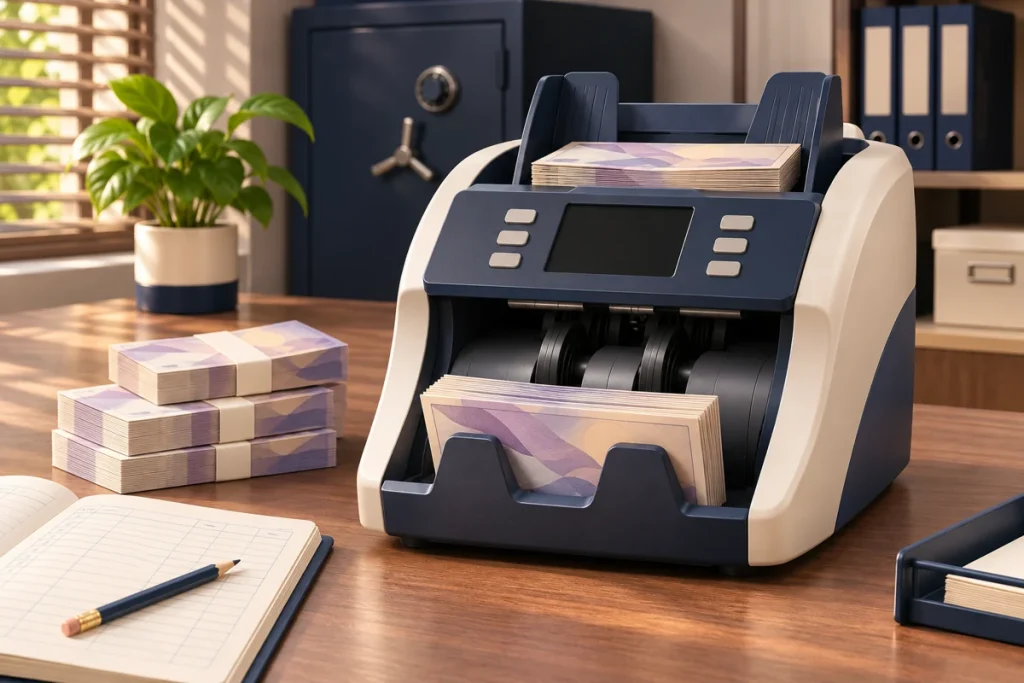
Two cash counting machines can look similar while serving different workflows. A price comparison becomes useful only after the required functions are clear. When researching cash counting machine price in Sri Lanka, separate the cost of the equipment from assumptions about what it can do. The relevant cash counter purchase cost depends on the proposed configuration, its suitability for your work and the services included. Begin with the job the machine must perform, then ask which features contribute to that job.
Identify the essential output
Decide whether the business requires a piece count, denomination recognition, mixed value counting or a more specialised task. These functions should be confirmed individually. A broad description such as advanced counter is not a substitute for a specification that explains the actual output. Ask how the result will be displayed or recorded and which parts of the process remain manual.
This first decision can prevent an unsuitable comparison. A basic quantity counting requirement should not be judged against a more complex workflow without understanding the difference. Equally, a lower priced option may not be sufficient if the business needs a verified function that it does not provide. Price only becomes meaningful after essential requirements have been established and demonstrated where appropriate.
Check the currency and configuration
Ask for support for the intended Sri Lankan notes to be confirmed on the exact equipment. Clarify whether configuration, software or updates are part of the quoted package. If future changes may require support, ask how that is handled. Keep the answer specific to the proposed unit rather than relying on a statement about a whole product family.
Any detection related functions should be described with their limitations. Do not interpret their presence as a guarantee that every problematic note will be identified. The business still needs a procedure for alerts and exceptions. Understanding the actual supported checks helps you evaluate the feature as part of a workflow instead of paying for a broad promise that cannot be meaningfully tested.
Look beyond advertised speed
Feed speed is one characteristic, but daily throughput includes preparing notes, loading batches, resolving interruptions and recording results. Ask how the proposed equipment performs the complete task using representative samples. The operator's experience matters because a machine that is fast under ideal conditions may still require a workflow that takes time to learn and carry out.
Consider the size and frequency of batches. A business with short occasional counts may have different priorities from an office with a concentrated closing period. Record the workload before deciding that a higher specification is necessary. This keeps the discussion focused on useful capacity rather than purchasing the largest advertised figure without a clear operational reason for the extra expenditure.
Review usability and the physical arrangement
Check the display, controls and loading positions from the intended operator's viewpoint. Ask whether the machine fits the available counter while leaving space for incoming cash, completed batches and exceptions. The cost of changing the workspace may be relevant if the preferred equipment cannot be used comfortably in the existing location.
Usability features deserve attention when several people share the equipment. Clear mode indicators and accessible controls can support consistent operation, but they should be assessed directly rather than assumed from photographs. Ask intended users to observe a demonstration where practical. Their questions can help distinguish a function that will be used daily from one that merely looks impressive on a specification list.
Include setup and support in the cost
Confirm whether delivery, configuration, training and documentation are included. Review warranty scope and the process for requesting service. Ask about any known ownership requirements that should be budgeted separately. A quotation that lists these items clearly is easier to compare than one with a single equipment figure and no explanation of what happens after purchase.
If one option costs more, identify the reason. It may provide a required function, a different operating capability or a more complete service scope. The additional amount should have a purpose you can explain. If the reason remains unclear, ask for clarification before treating the higher price as proof of better suitability or the lower price as proof of better value.
When reviewing a price difference, write one sentence explaining what the additional amount buys for your own process. If that sentence cannot name a required function, a practical usability benefit or a confirmed service inclusion, ask for more detail. This simple exercise keeps the comparison grounded. It also helps an internal approver understand why the selected configuration is suitable without having attended every discussion about the equipment.
Compare cost against verified requirements
Use a written requirement list when discussing options with Aiken. Confirm current pricing and the exact configuration before ordering. A sensible purchase gives the business the functions it needs, a workable operator process and a clear understanding of support. The strongest price comparison is therefore built from verified requirements and complete quotations, allowing you to decide what is worth paying for without confusing a long feature list with an appropriate solution.