Why Sri Lanka’s Living Heritage Extends Beyond Its Famous Landmarks

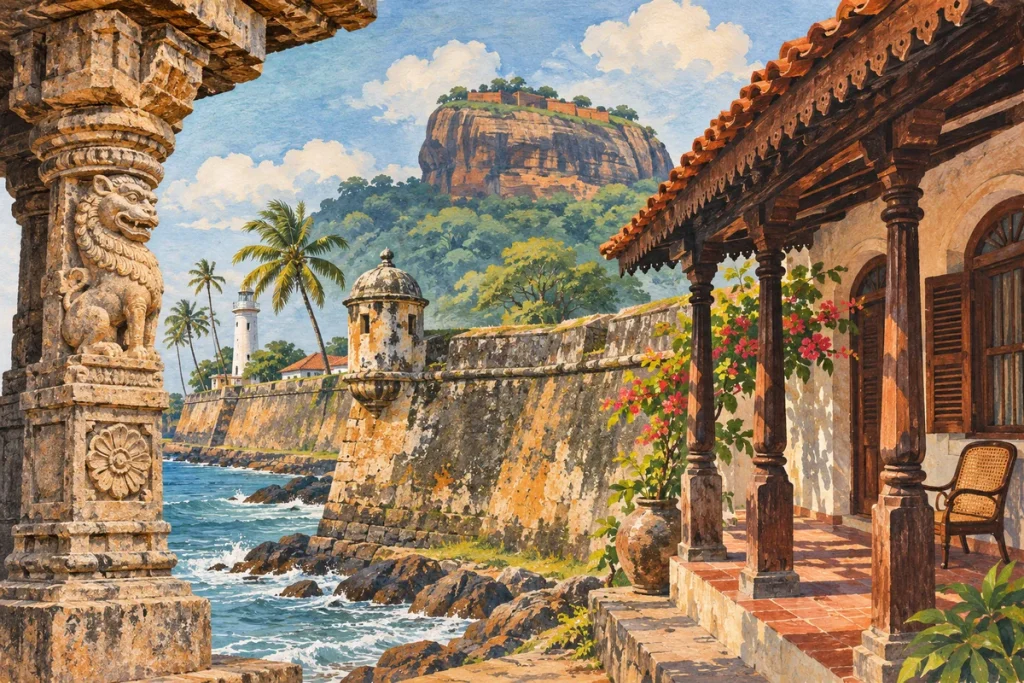
A landmark can introduce a visitor to Sri Lanka’s history in a single afternoon. Understanding the place around it takes longer. The craftsperson repairing a timber frame, the shopkeeper opening an old family business and the community caring for a place of worship all contribute to how heritage survives.
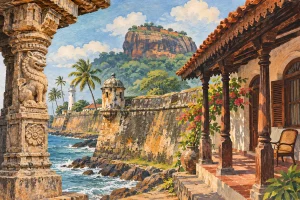
UNESCO’s Sri Lanka listing includes six cultural World Heritage properties, ranging from ancient cities to the old town of Galle. These are useful starting points for exploring the island’s past. They are also reminders that heritage takes different forms: a royal landscape, a sacred city and a coastal town tell different kinds of stories.
Look beyond the main photograph
At a historic site, it is tempting to move directly from the entrance to the most recognisable view. A more attentive visit leaves time for the smaller details: how a doorway is shaded, how buildings relate to a street, or how materials have been repaired over time.
Interpretation matters too. A museum label or a knowledgeable local guide can help distinguish an original feature from a later addition. Asking what is known, and what remains uncertain, gives a more useful understanding than treating every attractive story as established history.
Skills are part of the story
Traditional work is easiest to overlook when it appears ordinary. A woven object, a carved fitting or a carefully prepared meal may involve knowledge learned over many years. When buying a locally made item, asking who made it and how it is produced can turn a purchase into an informed choice.
There is no need to demand a performance. Workshops are workplaces, religious buildings may be active places of worship, and historic neighbourhoods are often home to families. Permission before entering or photographing is a practical expression of respect.
A better way to remember a place
Keeping a short note of a maker’s name, a guide’s explanation or an architectural detail makes a visit more memorable. The best heritage experience need not involve seeing the greatest number of monuments. It can come from understanding one place well enough to see how its past remains connected to everyday life.