Hotels and Travel Operators Expect Stronger 2026 Tourism Season

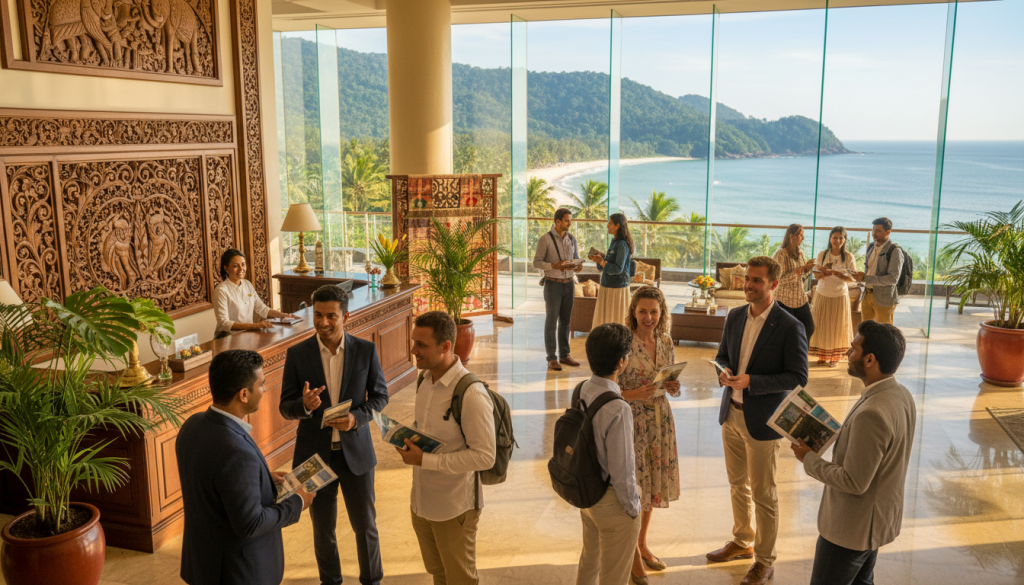
The hospitality sector and tour companies in Sri Lanka are anticipating an improved visitor sector in the coming years. Global travel trend reports signal a robust recovery for many destinations around the world.
This data points to a significant rise in demand. The island nation is now positioning itself to capitalize on emerging traveler preferences. Strategic planning by the local industry is crucial to meet this projected growth.
Tourism remains a vital economic pillar for the country. A stronger season can have a profound impact on the national economy. Recent challenges have been met with resilience, and current signals are positive.
The key will be creating tailored experiences that align with a global shift in travel behavior. Visitors today seek meaningful journeys, safety, and seamless service. The market is evolving, and Sri Lanka’s unique offerings are its greatest asset.
Sri Lanka’s Tourism Industry: Poised for a Robust 2026 Comeback
The island’s visitor economy shows concrete signs of healing. Key metrics point towards sustainable growth, moving beyond past disruptions. This analysis examines the evidence and the changing market dynamics.
Recovery Signals and Economic Projections
Airline booking engines and property management systems report a steady rise in reservations for 2025 and 2026. This uptick is not sporadic but reflects a sustained pattern of interest. Major industry reports project foreign arrivals could reach pre-pandemic levels within this period.
Improved air connectivity is a major factor. New routes and increased flight frequencies to the main international airport are being finalized. This enhances access for visitors from key source destinations.
National stability and targeted global marketing campaigns are rebuilding confidence. Perceptions of security are crucial for the modern holiday planner. Economic projections from finance ministries and trade bodies now include optimistic revenue forecasts from this sector.
Shifting Global Demand Meets Sri Lankan Strengths
Post-pandemic travel priorities have undergone a fundamental shift. Travelers now prioritize meaningful journeys, personal well-being, and authentic local engagement. This global trend plays directly into the country’s inherent strengths.
Sri Lanka offers diverse landscapes perfect for outdoor experiences. These range from mountain hikes to coastal sea adventures. This natural bounty caters to the demand for active, rejuvenating trips.
The global wellness movement finds a natural place here. Ancient practices like Ayurveda and yoga are deeply rooted. This provides a genuine foundation for spa and retreats focused on holistic therapy, far beyond standard hotels.
Technology is pivotal in meeting new demand. Real-time data tools help brands tailor their offerings. Digital platforms simplify the booking process for complex, multi-destination itineraries.
Ultimately, the island is repositioning itself. It is no longer just a sun-and-sand destination. It is emerging as a multifaceted world for culture, adventure, and personal renewal. This alignment with contemporary travel desires is the core of its projected comeback.
Capitalizing on Global Trends: The Strategic Imperative for 2026
A passive stance will not suffice to capture the value of the anticipated influx. Proactive trend integration is the strategic imperative for the local industry.
Understanding evolving global travel preferences is not optional for stakeholders seeking growth. It is a business necessity based on clear market data.
Recent international reports highlight specific trends reshaping how people plan their trips. These include luxury train journeys, ancestry exploration, and wellness-focused holidays.
Other key trends are astro-tourism, interactive cultural experiences, and a strong demand for sustainable offerings. For a destination like Sri Lanka, this presents a unique menu of opportunities.
The concept of ‘trend capitalisation’ is crucial. It means intentionally aligning local offerings with these global shifts to gain a competitive edge.
Travelers in 2026 will have more options than ever. Destinations that ignore their preferences risk losing market share. Active strategy development by properties, tour brands, and marketers is required.
The following sections delve into specific trends with high local relevance. Each explores how Sri Lanka’s inherent strengths can meet new traveler desires.
From scenic rail journeys to holistic therapy retreats, the potential is significant. The goal is to transform the island’s natural and cultural assets into compelling, bookable experiences.
This strategic alignment is the bridge between a macro recovery outlook and tangible visitor growth. It turns projected demand into realized bookings and memorable service.
Riding the Rails: Leveraging Sri Lanka’s Scenic Journeys for the Luxury Train Hopping Trend
International booking data reveals a soaring demand for luxury train itineraries. This trend aligns perfectly with one of Sri Lanka’s most iconic visitor experiences.
Explore Worldwide reports rail bookings for 2026 are up 41 percent year over year. Agencies like Railbookers now craft multi-rail journeys spanning the world. This global shift towards slow, scenic travel is a major opportunity.
Sri Lanka’s existing rail network, especially the famous Kandy to Ella route, is a ready-made asset. It offers the panoramic views and immersive pace modern travellers prioritise. For local firms, the task is to strategically package this infrastructure for the high-end market.
From Kandy to Ella: Packaging the Iconic Train Experience
The journey through hill country is more than just a ticket. It is a core experience that can be curated and enhanced. The industry can develop dedicated luxury itineraries around this route.
Packaging should highlight the seven-hour voyage’s unique selling points. These include tea plantation vistas, mountain tunnels, and local village life unfolding beside the tracks. Service upgrades are crucial, from premium seating to gourmet meal service onboard.
There is potential for developing exclusive carriages or private charters. This caters to travellers seeking solitude and bespoke service. Partnerships with international luxury rail specialists could market these journeys globally.
Such curated trips transform a simple ride into a memorable destination highlight. They meet the demand for unique, slow-paced travel that defines the current trend.
Integrating Rail with Luxury Lodge Stays and Private Tours
The train journey becomes more valuable when combined with other premium options. A comprehensive package blends rail travel with high-end accommodation and exclusive guided tours.
Operators can design itineraries where the scenic ride connects stays at luxury lodges in Kandy, Nuwara Eliya, and Ella. This creates a seamless, multi-day adventure through the cultural and natural heart of the island.
Private tours can be scheduled at stops along the way. These might include tea tasting at an estate, a guided nature walk, or a visit to a historical temple. This integration offers depth beyond the train window’s view.
This approach mirrors successful models from global destinations. It positions Sri Lanka as a destination for sophisticated, multi-faceted holidays. The blend of colonial rail heritage, stunning landscapes, and cultural immersion is a powerful combination for the future market.
Tapping into Diaspora Roots: Sri Lanka and the Ancestry Travel Boom
A profound shift in global travel motivations is creating a new category of visitor. These travellers prioritise personal connection through ancestry and heritage exploration.
This growing trend represents a significant opportunity. The global Sri Lankan diaspora, estimated in the millions, forms a natural market for this meaningful form of tourism.
Unlike a standard holiday, ancestry trips are deeply personal journeys. They fulfill a desire to understand one’s identity and familial past. For the local industry, catering to this demand requires specialized service and sensitivity.
Genealogy Tourism Services for the Global Sri Lankan Community
The first step is helping visitors trace their family histories. This can involve partnerships with professional genealogists and national archives.
International models provide a useful blueprint. Properties like Dromoland Castle in Ireland offer dedicated genealogy consultants for guests. Similar brands could be developed locally.
Collaborations with global companies like Ancestry.com could facilitate pre-trip research. These tools help build a family tree before arrival. This preparation makes the on-ground experience more focused and impactful.
Knowledgeable guides are essential. They must contextualize family stories within Sri Lanka’s complex historical narrative. This turns a site visit into a profound moment of connection.
Curated Heritage Tours to Jaffna, Galle, and the Cultural Triangle
With research in hand, curated itineraries can connect visitors to specific regions. Key destinations include Jaffna, Galle, and the Cultural Triangle.
In the north, Jaffna offers a unique cultural experience. Tours could include ancestral villages, historic places of worship, and archives. Guides can help interpret local records and oral histories.
The southern fort city of Galle tells a story of colonial trade and migration. Heritage walks here can trace merchant lineages. They connect personal stories to the architectural landscape.
The Cultural Triangle, encompassing Anuradhapura and Polonnaruwa, covers ancient roots. Multi-day tours in these areas allow for deep immersion. They combine historical wonder with personal discovery.
These options move beyond standard sightseeing. They create a tailored way to engage with the island. The rise of this trend means visitors seek this content.
Successful execution positions the island as a destination for identity exploration. It captures a valuable niche in the evolving travel market. This strategic focus turns projected interest into concrete bookings for meaningful experiences.
Catering to the Sober-Curious and Wellness-Focused Traveller
Astro-Tourism and Dark Sky Preserves: Sri Lanka’s Celestial Opportunity
Clear, unpolluted night skies are becoming a prized commodity for modern travellers. A global shift towards astro-tourism sees people seeking destinations with minimal light pollution. This trend is about more than just looking up; it’s a meaningful way to connect with the cosmos.
International travel trends show this is a growing niche. Cruise lines now offer “astro-cruising” for northern lights and solar eclipses. For example, Hurtigruten promises a complimentary sail if no aurora appears. This model highlights the commercial demand for guaranteed celestial experiences.
Sri Lanka holds significant potential here. Its remote national parks and coastal sea areas offer the required darkness. The island can position itself as a destination for this specialized form of tourism.
The key is to transform these natural assets into curated journeys. This means creating bookable itineraries around the night sky. It turns a passive observation into an active, educational holiday highlight.
Stargazing Experiences in Low-Light National Parks
Several national parks, far from city lights, are ideal candidates. Locations like Yala, Wilpattu, and Horton Plains have vast open space. Their low light pollution creates perfect conditions for stargazing.
Operators can develop organized night safaris with a new focus. Alongside wildlife spotting, these trips would include high-powered telescopes. Local astronomers or trained guides would explain constellations and planets visible from the tropics.
This combination is a unique selling point. Visitors enjoy a classic safari by day and a cosmic tour by night. It offers two distinct experiences in one booking, maximizing value for travellers with limited time.
Partnerships with local astronomy clubs are essential. These experts can ensure scientific accuracy and engaging storytelling. Their involvement adds credibility to the experiences offered.
Eclipse and Meteor Shower Viewing Packages
Predictable astronomical events provide perfect marketing hooks. The total solar eclipse on 12 August 2026 is a major global event. While Sri Lanka is not in the path of totality, increased interest in astronomy presents an opportunity.
Special packages can be crafted around meteor showers like the Geminids or Perseids. These occur at specific times each year. Operators can design itineraries that include comfortable viewing setups, expert commentary, and themed accommodations.
The cruise industry offers a blueprint. Companies are crafting eclipse-themed voyages with scientists on board. A land-based version in Sri Lanka could involve luxury campsites or beachfront resorts with dedicated viewing space.
Such packages attract a dedicated niche of science-minded travelers. They also appeal to romantics seeking the awe of a meteor shower. Promoting these events positions the island as a year-round celestial destination.
Success requires collaboration with international tour operators specializing in this trend. By leveraging its dark skies, Sri Lanka can capture a slice of this growing world of astro-travel.
The Rise of Immersive and Accessible Culture
A global transformation is reshaping how museums and heritage sites connect with the public. This shift prioritizes interaction over observation. For Sri Lanka, this trend offers a powerful way to revitalize its cultural offerings.
Modern visitors seek meaningful engagement, not just passive viewing. This change is evident in leading institutions worldwide. They are ditching glass cases for hands-on participation.
The traditional static model is being critiqued. Dynamic storytelling is now the benchmark. This approach makes history relatable and memorable for all audiences.
Accessibility today means more than physical ramps. It includes intellectual and sensory engagement. Cultural content must be designed for diverse learning styles.
This evolution aligns with broader travel trends. Travelers want authentic, participatory experiences. Sri Lanka’s rich history is a perfect canvas for this new market demand.
Transforming Museums into Interactive Experiences
International museums provide a clear blueprint for change. The V&A East Storehouse in London lets visitors request to see and touch items. This tactile experience breaks down barriers between artifact and observer.
The National Geographic Museum of Exploration in Washington DC uses an immersive theatre. Augmented reality exhibits bring stories to life. Such technology is not a gimmick but a tool for deeper understanding.
In Calgary, the Glenbow museum opens its collection storage to the public. This transparency demystifies curation. It invites people behind the scenes of cultural preservation.
Sri Lankan institutions can adopt these methods. Augmented reality could overlay historical context onto ancient ruins. Interactive displays could explain complex trade routes or royal lineages.
Extended hours and nighttime events can attract more visitors. A museum after dark offers a different atmosphere. It can become a social space as well as an educational one.
Investment in modern interpretation is crucial. It makes the island’s cultural offerings competitive on a global scale. This forward-looking strategy turns historical sites into dynamic destinations.
Living Heritage: Showcasing Craft Villages and Local Workshops
True culture lives in active communities, not just preserved buildings. Visits to craft villages and local workshops offer a direct connection. Travelers can observe and even participate in traditional arts.
Potteries in places like Molagoda or weaving centers in Dediyawala are working places. Here, artisans practice skills passed down through generations. Observing this process adds depth to a holiday.
These experiences provide tangible economic benefits for local artisans. Tourism revenue directly supports their workshops. This creates a sustainable model for preserving intangible heritage.
Operators can design itineraries that include these stops. A trip could involve a morning learning about batik and an afternoon trying handloom weaving. This creates a full-day cultural immersion.
The focus should be on creating respectful, educational encounters. Guides can explain the significance of patterns and techniques. This turns a simple observation into a rich learning experience.
Such options cater to the growing demand for authentic engagement. They showcase Sri Lanka’s living culture in real time. This strategic focus can distinguish the island in a crowded global market.
Grocery Store Tourism: A Fresh Path to Authentic Local Engagement
A simple visit to a supermarket is now recognized as a valuable window into everyday life for travelers. This activity goes beyond souvenir hunting. It offers genuine insight into local consumption habits and food culture.
Recent data confirms this is a major trend. A Hilton report found 77% of travelers enjoy grocery store tourism. Skyscanner’s research shows 35% actively plan to shop at local markets during their trips.
This shift aligns with the broader demand for authentic experiences. Visitors want to engage with communities in meaningful ways. Browsing market aisles provides this connection without a formal tour structure.
The industry can transform this casual activity into structured offerings. Curated itineraries turn grocery shopping into a memorable highlight. This approach supports local producers directly.
Curated Market Tours and Cooking Class Integration
Guided visits to local markets create structured learning experiences. In Colombo, a tour of the bustling Pettah market reveals a world of spices, produce, and dry goods. Expert guides explain ingredients and their cultural significance.
Similar tours can explore suburban supermarkets or specialized spice shops. These places show how locals actually shop. They contrast with tourist-focused craft stalls.
The logical next step is a hands-on cooking class. Participants use their freshly purchased ingredients to prepare traditional dishes. This creates a complete farm-to-table experience in one day.
Such options are cost-effective for visitors. They also distribute economic benefits to small vendors. This model turns a mundane chore into an engaging cultural trip.
Developing Design-Led, Locally-Sourced Pantry Souvenirs
Travelers want to bring edible memories home. Booking.com data indicates 68% would purchase design-led kitchenware or pantry items. This presents a clear opportunity for local brands.
The key is offerings with beautiful, functional packaging. Local teas, spices, jams, and condiments are ideal candidates. Upscale presentation transforms them from commodities into desirable souvenirs.
International properties like The Newt in Somerset show the potential. Their on-site farm shop sells estate-produced goods. This model can be adapted to Sri Lankan hotels and resorts.
Properties can develop their own branded pantry lines. These would source directly from nearby farmers and artisans. This ensures quality and supports the regional economy.
Well-designed products also tell a story. Packaging can include information about the origin and producer. This adds content and meaning to the purchase.
Such tools help travelers recreate holiday flavors at home. They serve as tasty reminders of their journey. This trend meets the desire for authentic, sustainable mementos.
From Seaweed to Sustainability: Positioning Sri Lanka as an Eco-Innovator
The global shift towards regenerative travel finds a powerful ally in the humble seaweed. This marine resource is gaining recognition for its environmental and economic potential. For Sri Lanka, it represents a frontier for genuine innovation.
Seaweed farms capture carbon at a rate far exceeding land-based forests. They also support marine ecosystems by reducing ocean acidity. This natural process offers a tangible way for the tourism industry to contribute positively.
Forward-thinking destinations are already integrating seaweed into their offerings. Sri Lanka can learn from these global trends. The island’s extensive coastline provides an ideal place for cultivation.
This approach meets a clear demand. Modern travellers seek destinations with authentic environmental stewardship. Positioning the nation as an eco-innovator can differentiate it in a competitive market.
Coastal Community Partnerships and Regenerative Tourism
Successful seaweed tourism must begin with local communities. Involving fishing villages in cultivation creates a direct economic benefit. This model turns residents into active partners in sustainability.
Regenerative travel goes beyond minimizing harm. It aims to leave the destination better than before. Seaweed farming actively improves coastal water quality and marine biodiversity.
These partnerships ensure visitors engage with real conservation work. Travelers can participate in planting or harvesting during their trip. This creates a meaningful experience rooted in the local sea.
The rise of such models is documented in international reports. It represents a key trend for the future. Sri Lanka’s coastal areas are perfectly suited for this collaborative way of working.
Seaweed-Infused Culinary and Spa Offerings
The innovation continues from the ocean to the plate and the spa. Seaweed is a mineral-rich superfood with unique flavors. It also has proven benefits for skin and wellness therapy.
International examples show the potential. Chef Paco Pérez uses Galician seaweed in gourmet dishes. This adds a distinctive, umami taste that travellers remember.
In Zanzibar, Lux Marijani resort collaborates with Mwani Mamas. Together they create signature spa treatments using local seaweed. This supports women’s cooperatives and offers authentic wellness.
Rosewood Miyakojima protects the delicate algae-coral symbiosis around its property. This commitment to the marine environment is a core part of its brand story. Such content resonates with eco-conscious visitors.
Sri Lankan hotels can develop similar experiences. Menus could feature soups, salads, and snacks with locally harvested seaweed. Spa retreats might offer detoxifying wraps and mineral baths.
The circular economy potential is significant. Resorts like Banyan Tree Phuket recycle seaweed waste into organic fertiliser. This closes the loop, turning by-products into valuable tools for garden spaces.
These options create memorable journeys for guests. They also build a compelling narrative for the destination. This strategic focus uses technology and data to craft unique itineraries.
Ultimately, embracing seaweed showcases tangible action. It moves sustainability from a marketing term to a visible practice. For Sri Lanka, it is a way to lead in the new world of responsible travel.
Luxury Redefined: The Demand for Ultra-Exclusive, Niche Experiences
Modern luxury travel prioritizes unique narratives and private experiences over conventional opulence. This shift is evident in major launches from premium brands. The rise of ultra-exclusive cruises, like the Ritz-Carlton yachts and the Four Seasons I debuting in March 2026, signals the trend.
The Orient Express Corinthian will launch in June 2026. These vessels are not just transport. They are mobile luxury estates offering curated journeys. This move reflects a broader demand for highly personalized, niche itineraries.
For Sri Lanka, this presents a strategic opportunity. The local industry can move beyond standard five-star offerings. The goal is to craft experiences that feel uniquely tailored and inaccessible to the mass market.
This approach caters to a discerning clientele. They seek authenticity and exclusivity in equal measure. Redefining luxury in this way can attract high-spending visitors.
Boutique Hotel “Expeditions” and Private Island Concepts
Boutique properties can leverage their scale to offer exclusive access. The concept involves designing “expeditions” from the hotel as a base. These are private, guided forays into remote areas or to secluded coastal spots.
Sri Lanka’s geography is ideal. Operators can create trips to hidden waterfalls in the hill country or untouched beaches. A private island concept off the coast, accessible only by charter, embodies this exclusivity.
Such offerings provide a sense of discovery and ownership of a place for a time. They cater to travellers who value privacy and unspoiled nature. This model turns a boutique stay into a gateway for adventure.
Luxury here means a chartered yacht trip along the southern coast. It could be a private guided tour of an archaeological site after hours. It might be a stay in a meticulously converted colonial mansion with a dedicated staff.
These niche experiences command premium prices. They fill a gap in the current high-end market. The strategy identifies and serves specific passions, from wildlife to solitude.
Curated Set-Jetting Itineraries for Film and Literature Fans
Another powerful niche is “set-jetting.” This trend sees travellers visiting locations featured in films or books. Period drama adaptations, like Pride and Prejudice filmed in UK towns, drive this demand.
Sri Lanka has its own cinematic and literary connections. The classic film The Bridge on the River Kwai was shot near Kitulgala. Creating a curated itinerary around this site offers a tangible link to cinema history.
Literary tours could focus on authors like Michael Ondaatje or local folklore. These journeys provide content and context beyond standard sightseeing. They turn a destination into a living narrative.
Operators can design multi-day tours that combine location visits with themed accommodations. A holiday might include a screening of the relevant film or a talk by a local historian. This deep immersion caters to a specific passion.
Capitalizing on this trend requires research and creative packaging. The data shows a growing audience for such themed trips. It positions Sri Lanka as a destination for culturally rich, story-driven travel.
The analysis is strategic. It identifies where global travel trends meet local assets. Redefining luxury around authenticity and exclusive access can secure a valuable segment of the future world tourism market.
Ultimately, success hinges on service and seamless execution. The industry must provide the tools and options to make these niche dreams a reality. This prepares the sector for the anticipated influx of discerning global travellers.
Strategic Partnerships and Investment: Preparing for the 2026 Influx
Strategic coordination across Sri Lanka’s visitor industry is essential to convert projected interest into tangible economic benefits. Realizing this potential requires unified effort, smart investment, and strong partnerships.
Collaboration between accommodation providers, tour brands, local communities, and authorities creates seamless experiences. Investment must target infrastructure upgrades, staff training, and data-driven marketing campaigns.
Focusing on quality offerings and sustainable practices ensures long-term growth. Regional competitors are adapting to the same global trends, making timely action crucial.
Sri Lanka’s inherent assets—from cultural journeys to wellness retreats—align well with evolving travel demand. The sector must act now with confidence to secure its place as a premier destination.