Sri Lanka Looks to Luxury Tourism for Higher Visitor Spending

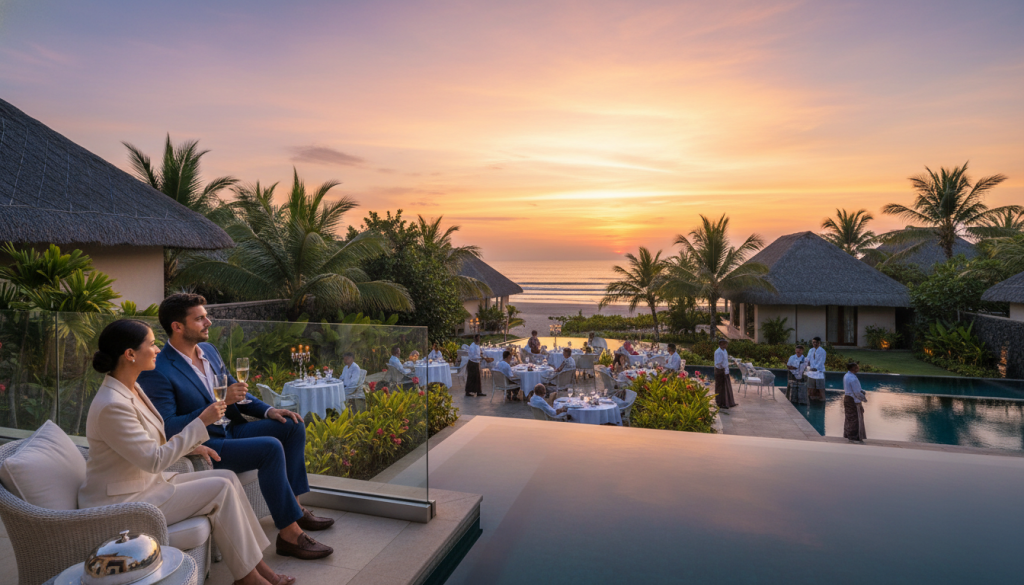
The island nation’s travel industry is making a major strategic pivot. It is now deliberately chasing affluent, high-spending travelers. This move aims to secure more stable revenue for the sector.
Recent economic pressures have forced this rethinking. A period of high inflation squeezed both local businesses and tourist wallets. It reshaped how people travel and spend their money.
Key challenges are clear. Research points to decreased consumer spending and rising operational costs. These factors make the old mass-tourism model less viable.
The new direction focuses on premium visitors whose greater expenditure can bolster the economy. Both government policymakers and private sector leaders are crafting adaptive strategies.
This analysis will explore the rationale behind this shift. It will detail the challenges and assess the potential future for this high-end market. The tone remains objective, presenting facts about this evolving economic story.
Sri Lanka’s Tourism at a Crossroads: An Introduction
A fundamental reassessment of the country’s travel industry strategy is now underway. This sector has long served as a financial pillar for the national economy.
Data shows it contributes significantly to GDP, employment, and foreign exchange earnings. For years, it relied on a mix of cultural, beach, and adventure offerings.
Now, the industry faces a critical juncture. Severe economic instability has exposed past vulnerabilities in its structure.
The recovery and future growth of this sector are being reevaluated. Global and domestic economic shocks revealed the need for change.
This moment represents more than just a trend. It signifies a deliberate choice between continuing old models or pursuing a new path.
The concept of a crossroads captures this pivotal decision point. Industry leaders must choose their direction carefully.
A move toward high-value market segments is a calculated response. The goal is to improve per-visitor yield and create stability.
This approach aims to insulate the sector from volatile economic cycles. It represents a strategic rethinking of fundamental assumptions.
Understanding this shift requires examining specific pressures. These forces made the current strategic evaluation not just possible but necessary.
The Economic Imperative: Why Sri Lanka Looks to Luxury Tourism
The pursuit of affluent visitors is rooted in a fundamental financial calculation. The core argument focuses on generating more income from a smaller number of guests.
This strategy aims to boost the overall yield of the travel sector. It is a direct response to the limitations of the high-volume model.
A 2023 study on tourism amid high inflation provides critical evidence. It found a clear negative link between rising prices and international arrivals.
Inflation erodes the purchasing power of tourists. This directly shapes their travel choices and spending habits.
Countering Inflation with High-Value Travelers
Attracting guests with significant disposable income offers a buffer. High-net-worth individuals are generally less sensitive to price changes.
Their spending patterns are more resilient during economic downturns. This provides a steadier income stream for local businesses.
The research indicates that budget-conscious tourists often cut back when costs rise. Focusing on the premium market directly counteracts this revenue loss.
It mitigates the negative impact of inflation on the sector’s total earnings.
Luxury Tourism as a Revenue Stabilizer
This approach acts as a financial stabilizer for the industry. It diversifies the visitor base away from low-margin, high-volume travel.
That older model is highly susceptible to global economic shocks. A premium focus builds a more resilient economic structure.
Stable revenue allows businesses to plan with confidence. They can invest in long-term quality improvements and sustainable practices.
They are not forced to operate reactively from one season to the next.
The economic imperative is clear. Building a tourism economy that can withstand domestic and international pressures is the ultimate goal.
This shift represents a strategic move toward greater financial durability.
Past Pressures: How High Inflation Reshaped Tourist Behavior
Research from 2023 provides a clear blueprint of how rising costs damaged the sector’s core dynamics. This period of high inflation was not a minor disturbance. It fundamentally reshaped the decisions and spending patterns of travelers worldwide.
The study pinpointed five specific factors that squeezed the industry. Three were particularly direct in their impact on visitor numbers and revenue.
Decreased Consumer Spending and Travel Budgets
Inflation eroded the purchasing power of people in key source markets. Potential visitors saw their disposable income shrink. This made international travel a more difficult expense to justify.
The data showed a clear trend. Tourists became highly price-sensitive. Many opted for cheaper, closer destinations or postponed trips entirely.
For those who did travel, discretionary spending fell. Choices shifted toward budget-friendly accommodations and dining. Spending on tours, souvenirs, and premium experiences was often the first to be cut.
This created a direct correlation between rising inflation and reduced tourist expenditure. The high-volume, low-spend model began to falter.
Rising Operational Costs for Tourism Businesses
Simultaneously, businesses within the sector faced a severe cost crunch. Hotels, transport companies, and tour operators saw their expenses soar.
Prices for electricity, fuel, food supplies, and labor increased dramatically. These are fundamental inputs for any hospitality service.
Profit margins were squeezed from both sides. Companies could not fully pass these costs to already budget-conscious tourists. This created a difficult financial vise for many operators.
When prices for services did rise, it often deterred visitors further. Industry reports described this as a vicious cycle. Higher operational costs led to higher consumer prices, which then reduced demand.
Exchange Rate Fluctuations and International Appeal
The local currency’s value is a critical factor for international visitors. High inflation is strongly linked to currency depreciation.
The 2023 analysis confirmed this. It found a strong positive correlation between inflation and the depreciation of the local currency.
For foreign tourists, this meant their money bought less. A destination that seemed affordable could quickly become expensive. This damaged the country’s competitive appeal against other regional options.
The statistical link was clear. As inflation rates climbed, international tourist arrivals tended to fall. The economic environment became a deterrent in itself.
Together, these pressures made the traditional mass tourism model unsustainable. They created the urgent need for a strategic pivot toward a more resilient, high-value approach.
Strategic Responses: Adapting the Industry for Luxury Appeal
Building a successful high-end travel industry requires action on two distinct fronts. It needs a stable macroeconomic foundation set by the state. It also demands creative adaptation from private businesses.
This two-pronged approach is essential for cultivating a premium market. One part focuses on creating a predictable environment for investment. The other involves delivering exceptional, personalized service.
Government Policies for Economic Stability and Investment
Analysts emphasize that long-term economic stability is the bedrock for growth. Prudent fiscal policies and effective inflation control are non-negotiable. They create a climate where high-end investors feel confident.
Predictable exchange rates are particularly critical. Luxury hospitality projects involve long planning horizons and large capital outlays. Sharp currency fluctuations can derail these investments.
Government initiatives can provide targeted support. This includes incentives for developing high-end infrastructure. Streamlining regulations for premium resorts and improving air connectivity from key markets are also vital.
Progress on broader economic revival, including comprehensive economic reform measures, signals a return to stability. This foundation is what attracts the serious capital needed for world-class facilities.
Industry Innovation in Service and Experience Design
On the ground, businesses must evolve to meet exacting standards. Luxury today is defined by unique experiences, not just opulent rooms. It requires moving beyond basic hospitality to expert curation.
Innovation means designing personalized journeys that tell a story. This could be a private wildlife safari with a renowned naturalist. It might be a culinary tour through ancient spice gardens or a wellness retreat based on local healing traditions.
Adopting sustainable and eco-friendly practices is no longer optional. Discerning travelers increasingly value environmental stewardship. Properties that integrate green technology and conservation efforts gain a competitive edge.
True authenticity comes from integrating local communities. Involving artisans, growers, and cultural custodians ensures shared benefit. It also provides guests with a genuine connection to the destination.
Success hinges on a clear synergy. Stable government policy sets the stage. Creative, quality-focused execution by the industry delivers the memorable experience that defines a premium destination.
Charting the Course: Sri Lanka’s Luxury Tourism Horizon
Charting a new course for the travel sector, this strategy seeks resilience through higher-value experiences. It is a direct response to the economic pressures that challenged the older model.
The goal is to build a more robust industry. This approach aims for greater revenue per guest and better insulation from global financial shifts.
The future hinges on careful positioning. The destination must offer unparalleled experiences rooted in its unique natural and cultural assets. Sustainable and responsible practices are non-negotiable for long-term success.
International recognition, like that earned by a premium wellness resort, shows the existing potential. This shift presents significant challenges but offers a clear pathway forward.
The ultimate aim is a stable, prosperous future where the industry remains a major economic contributor. It will do so by providing world-class experiences for a discerning clientele.