Sports Tourism Gains Attention as Sri Lanka Hosts International Events

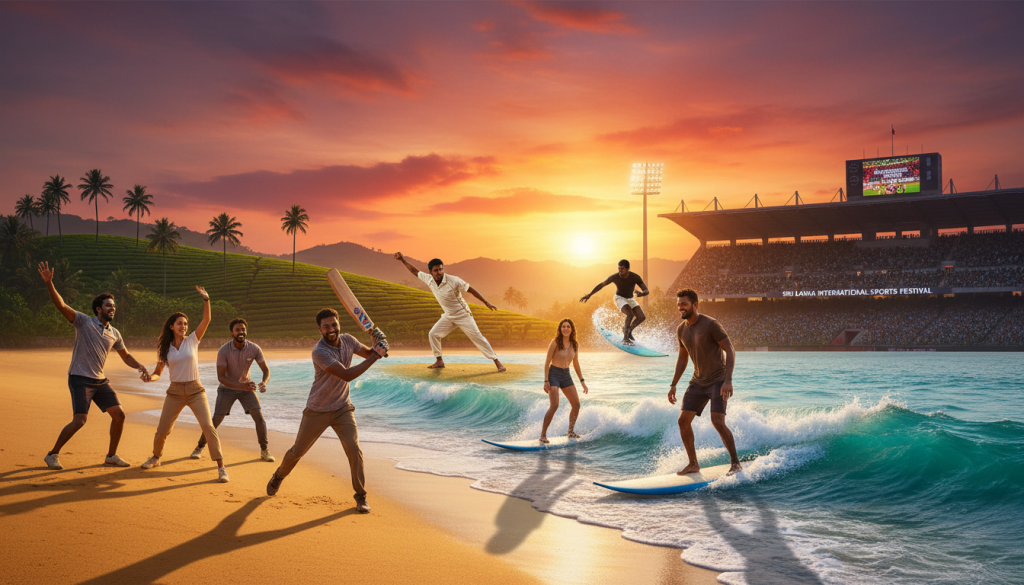
The global trend of combining athletic competitions with travel is gaining momentum worldwide. For nations like Sri Lanka, this presents a significant economic opportunity.
The island nation is strategically positioning itself as a host for major international competitions. Events such as IronMan 70.3 Colombo showcase its capabilities on the world stage.
This focus on attracting high-value visitors is part of a broader economic development strategy. It aims to diversify the traditional travel sector and boost foreign earnings.
Government bodies and private enterprises are collaborating to capitalize on this niche. Their coordinated efforts seek to enhance the country’s profile and generate substantial revenue.
This article will explore how this sector integrates with Sri Lanka’s natural assets and existing attractions. It will detail the economic impact and the strategic moves being made.
Sri Lanka’s Tourism Landscape Gets an Athletic Boost
A significant transformation is underway within the nation’s visitor economy. It is moving beyond its well-established heritage and beach offerings.
The traditional appeal of Sri Lanka has long centered on cultural exploration and leisure travel. Now, a dynamic new dimension is being added through organized physical competitions.
Globally, this active travel sector represents a massive economic opportunity. The market is valued at approximately USD 1.5 trillion. This niche attracts visitors who typically spend more and stay engaged longer than traditional holidaymakers.
Major competitions like international triathlons do not replace cultural journeys. Instead, they create a complementary demand stream. This helps generate visitor interest throughout the year.
The concept of an “athletic boost” has two key benefits. First, it provides an immediate economic injection from hosting duties. Second, it offers long-term branding advantages for the destination.
The island’s natural geography serves as an ideal stage. Its varied landscapes support countless adventure pursuits. From coastal waters to central highlands, the setting is perfect for active holidays.
Authorities recognize the need to diversify the tourist portfolio. This strategy builds resilience against market changes in any single segment. A balanced mix protects the overall sector.
Integrating competitions into promotion showcases modern capability. It demonstrates organizational skill to a worldwide audience. This shift also engages local communities, fostering participation around major happenings.
This foundation sets the stage for detailed exploration. The following sections will examine specific strategies and their economic impact for Sri Lanka.
Sports Tourism Gains Attention as Sri Lanka Hosts International Events
The return of a major endurance competition to Colombo after six years highlights a strategic push in the visitor economy. This specific happening acts as a concrete test for the nation’s ambitions.
It demonstrates organizational skill to a worldwide audience. The focus is on attracting a dedicated, high-spending demographic.
IronMan 70.3 Colombo: A Flagship Endurance Event Returns
IronMan 70.3 Colombo is scheduled for February 22. Its comeback from a long hiatus signals renewed stability and capability.
Serendib Multisport (Pvt) Ltd organizes the contest in partnership with Port City Colombo and Shangri-La Colombo. The global IronMan brand carries immense weight.
It automatically draws international media focus and a committed community of athletes. The program begins on February 19 with an expo and check-in.
Shangri-La Colombo serves as the host city for the third consecutive time. This repeat partnership shows strong private sector confidence.
It validates the event’s value for city branding and the broader sports tourism sector. Athletes and their support teams start arriving from February 15.
Showcasing Colombo: From Coastal Swim to Urban Cycle
The race course is a logistical feat designed for maximum visual impact. Participants face a 1.2-mile swim, a 56-mile bike ride, and a 13.1-mile run.
This route strategically highlights Colombo’s coastal and urban landscapes. It presents the city as dynamic and host-ready.
Modern infrastructure, like the Port City development, becomes part of the scenery. The accompanying Kaya Wellness Expo and IronKids contest broaden the appeal.
They engage families and fitness enthusiasts, creating a festival atmosphere. This approach multiplies the visitor impact beyond just the competitors.
Hosting such a complex international sporting contest meets stringent global standards. This proficiency itself is a powerful advertising platform for the nation.
The media reach extends Sri Lanka’s digital footprint to a premium, health-conscious audience. Many may be considering the island for the first time.
For local officials and hospitality providers, the influx of visitors is a direct economic catalyst. It shows how a single happening can drive broader promotion and activity.
Cricket Calendar and Beyond: A Packed Sporting Schedule
Reports indicate thousands of competitors, support staff, and fans journey to the island each year for various physical contests. This consistent influx is supported by a strategically packed calendar. It blends a beloved national game with emerging adventure pursuits.
The schedule creates multiple entry points for different visitor types. Some come specifically for matches. Others seek active experiences in nature. This dual approach strengthens the overall sector.
Leveraging a National Passion for Tourism Growth
Cricket occupies a unique place in the national consciousness. Its packed international calendar provides a reliable economic catalyst. Around forty matches are scheduled for the first four months of next year alone.
Each home series drives immediate demand for local services. Hotels, restaurants, and transport providers see direct benefits. Visiting teams and officials represent a high-value segment.
They often stay for extended periods around match days. Supporters following their national sides contribute significantly to this economy. This creates a well-established sub-sector within the visitor landscape.
The consistent rhythm of tours offers predictability for businesses. It helps smooth out seasonal fluctuations in other leisure segments. The economic impact extends beyond major urban centers to regional venues.
Surfing, Rafting, and Marathons: The Adventure Corridor
Beyond traditional games, the nation is cultivating an “adventure corridor.” This concept capitalizes on diverse geography. It stretches from the surf breaks of Arugam Bay to the white-water rivers of Kitulgala.
These activities attract a dedicated niche of travelers. They seek physical challenges within stunning natural settings. Such visitors typically spend more time exploring multiple regions.
Marathon and cycling events often showcase scenic routes. Participants experience the country in a uniquely immersive way. These contests combine physical effort with cultural discovery.
The development of this corridor promotes lesser-known areas. It helps distribute economic benefits more evenly. This supports Sri Lankan communities outside main tourist circuits.
Logistical coordination is essential for this packed schedule. Venue preparation, safety protocols, and hospitality all require careful planning. A wide network of local businesses provides these necessary services.
Effective integration into broader marketing encourages extended stays. Many athletes and supporters arrive early or depart late. They use this time for general exploration.
This diversification builds resilience. It reduces over-reliance on any single sport or season. The strategy presents the destination as multi-faceted for both spectators and active participants.
The approach reflects a mature understanding of modern visitor trends. It blends Sri Lankan hospitality with opportunities for physical achievement. This combination strengthens the nation’s appeal year-round.
The Economic Engine of High-Value Sports Tourism
A proven model for rapid economic injection comes from hosting international endurance events. This niche sector functions as a powerful financial driver for destination economies.
Globally, this active travel segment is valued at approximately USD 1.5 trillion. The primary appeal lies in the high per-capita spending of the visitors it attracts.
Beyond the Finish Line: Visitor Spending and Extended Stays
Unlike traditional leisure tourists, participants and their supporters have itineraries centered on an event. They utilize accommodation, dining, transport, and wellness services at a premium level.
Data shows that about 50% of these athletes stay for over a week. Their daily spending is often twice the average for conventional holidaymakers.
This extended average stay means their economic contribution is sustained. It benefits a wide number of local businesses beyond just hotels.
Restaurants, retail shops, transportation providers, and wellness centers all see increased activity. This model of “high-value, extended-stay” tourism supports job creation and business growth.
The USD 2 Million Blueprint: Lessons from the 2019 Impact
Concrete evidence comes from the 2019 IronMan contest in Colombo. An estimated USD 2 million was injected into the local economy in just one week.
This spending was distributed across multiple sectors. It demonstrated the potent short-term impact a single major happening can have.
Key lessons from that time include the importance of seamless event logistics. A welcoming environment ensures participants have a positive experience.
This encourages return visits and positive word-of-mouth. The economic engine is further fueled by international media coverage.
Such coverage acts as free, credible advertising for the destination. It reaches a premium, health-conscious audience.
This form of travel also attracts potential investors. They experience the country’s infrastructure and business environment firsthand.
For Sri Lankan policymakers and organizations, understanding this blueprint is crucial. It justifies investment in supporting infrastructure and promotion.
The collaboration between public and private services is vital. A coordinated platform helps maximize these economic benefits for the Sri Lankan hospitality sector.
Government Strategy: Forming a Sports Tourism Operations Committee
August saw a key policy announcement aimed at creating a unified framework for capitalizing on event-based travel. Tourism Minister Vijitha Herath declared the formation of a dedicated operations committee on August 16.
This body is tasked with turning athletic contests into powerful tools for visitor growth. Its creation signals a move from ad-hoc efforts to a systematic national strategy.
Uniting Public and Private Sectors for Coordinated Action
The committee’s structure is designed to break down traditional silos. It brings together officials from key ministries with leaders from private enterprises and national sporting bodies.
Attendees at the inaugural meeting included representatives from the Ministry of Youth Affairs and Sports, Sri Lanka Cricket, and various national federations. This mix ensures all relevant voices guide the initiative.
Its primary mandate is to develop swift, coordinated action plans. The goal is to identify, secure, and promote major national and international events specifically for tourism gain.
The committee will address practical hurdles that can hinder hosting. This includes reviewing infrastructure standards, visa processes for athletes, and supportive policy frameworks.
Linking Sports Federations with Tourism Promotion
A core function is to formally connect the country’s sporting organizations with the marketing power of Sri Lanka Tourism. Federations for cricket, surfing, and athletics now have a direct link to the tourism promotion bureau.
This strategic linkage means tourism promotion is integrated from the very start when a federation bids for an event. The promotion bureau can then activate global campaigns to maximize visitor attraction.
The Lanka tourism promotion machinery gains valuable content and stories from these contests. This move acknowledges that the visitor potential of such events was previously underutilized.
The committee’s work is expected to produce a clearer national roadmap. This will guide public investment and private sector participation in this niche. It represents a formal, institutional response to a global trend for long-term development.
For Sri Lanka Tourism, this committee is a crucial mechanism. It transforms one-off successes into a sustainable pillar of the visitor economy.
Positioning Sri Lanka as a Credible Global Sports Destination
For any nation aspiring to attract world-class athletic contests, building a reputation for reliability is the first major hurdle. Credibility is earned through consistently successful execution.
Events must meet stringent international standards for safety, organization, and athlete experience. Each successful hosting builds trust with global franchises and participants.
Aligning Elite Sport with Sri Lankan Hospitality
The national strategy involves a deliberate fusion. It aligns the high-performance demands of elite sports with renowned local strengths in guest services.
This creates a unique value proposition for the destination. Sri Lankan hospitality provides the warm, supportive backdrop for intense competition.
Venues and race routes are chosen to showcase more than just capability. They highlight scenic beauty and cultural warmth, integral parts of the visitor experience.
Media Reach and Digital Branding for a Premium Audience
The media reach of a global franchise like IronMan is invaluable. Television broadcasts, social media updates, and athlete-generated content place the island in front of millions.
This digital branding targets a premium audience of active, affluent travelers. Their decisions are based on lifestyle and experience, not just cost.
Positive coverage from international sporting media is often more impactful than traditional advertising. It is seen as authentic and earned.
This exposure acts as a powerful platform for tourism promotion. It helps shift the national narrative beyond traditional imagery.
The image now includes dynamic, modern, and active experiences. Strategic partnerships with international bodies are crucial for this long-term strategy.
They provide endorsements and help attract a pipeline of future events. A strong reputation makes bidding for larger contests easier.
The ultimate goal is for the Sri Lankan name to become familiar and trusted. It should be a fixture in the calendars of athletes, teams, and fans from many countries.
Recognizing Excellence: The Sri Lanka Tourism Awards 2024
A national program to honor top performers in the visitor economy has been revived after a significant hiatus. Sri Lanka Tourism announced the seventh edition of its National Tourism Awards.
The objective is to promote service standards and foster excellence. This initiative directly encourages best practices and innovation across the sector.
Reviving a Prestigious Platform for Industry Standards
The last awards were held in 2018. A six-year gap followed, caused by the Easter Sunday attacks and the COVID-19 pandemic.
Their return signals a return to normalcy and a renewed focus on quality. It is a practical step toward rebuilding a resilient sector.
Categories are broad, covering the entire ecosystem. They include accommodation, restaurants, tour operations, and airlines.
Specialized areas like MICE, marketing, and education are also recognized. This reflects the need for excellence in all supporting services.
Incentivizing Innovation Across the Tourism Spectrum
Public recognition through these awards incentivizes other businesses. It sets a visible benchmark for the entire industry.
For the growing segment around athletic contests, specific categories are relevant. These include awards for event management and adventure activities.
Operators providing specialized hospitality for athletes can also gain recognition. This aligns with the drive to attract high-value visitors.
The application process itself encourages useful self-assessment. Businesses align their operations with defined standards of service.
Submissions were open from August 15 to September 15, 2024. Applications were available for download from the official tourismawards.lk website.
This tourism promotion tool complements the broader national strategy. It ensures the infrastructure of guest services is prepared.
The awards help organizations meet the expectations of an international, discerning clientele. This supports all forms of travel, from leisure to business events.
Building the Foundation: Infrastructure and Event Logistics
Behind the spectacle of a world-class competition lies an unseen network of systems and standards. Hosting a major athletic contest is a direct test of a location’s operational backbone.
Success depends on a foundation of reliable physical frameworks and precise planning. This involves two critical components: adhering to stringent global benchmarks and forging strategic partnerships.
Meeting International Standards for Complex Events
Global franchises like IronMan impose rigorous technical requirements. Local organizers must meet these to maintain approval and ensure participant safety.
Standards cover every detail. This includes course safety, accurate timing systems, and comprehensive support for athletes.
Logistical planning is immense. It involves coordinating road closures for cycling routes and implementing water safety measures for open-water swims.
Reliable telecommunications and immediate medical support systems are non-negotiable. Meeting these benchmarks builds vital local organizational capacity.
It creates a skilled workforce capable of supporting a growing calendar of events. This proficiency becomes a key selling point for future bids.
The Role of Strategic Venue and Hospitality Partners
Physical spaces and expert guest services are equally crucial. Strategic partnerships with venue owners and flagship hotels provide this essential support.
The choice of Port City Colombo as a venue partner is strategic. It uses a modern urban development as a dynamic backdrop for the event.
This aligns with a forward-looking image for the destination. It showcases new infrastructure to a global audience.
Hospitality partners like Shangri-La Colombo offer more than rooms. They provide expertise in handling large groups of international guests.
Their services include specialized catering, logistics, and group coordination. This ensures a positive experience for athletes, teams, and spectators.
These accompanying persons contribute significantly to the overall visitor spend. Reliable hospitality directly supports the tourism promotion goals of any event.
For local officials and businesses, these partnerships are a practical platform. They demonstrate an ability to deliver complex, logistically demanding happenings.
Investments made for a specific contest often leave a legacy. Improved facilities benefit local communities and future visitors long after the final finish line.
This consistent delivery builds a reputation for reliability. It makes the nation a credible choice for other international franchises, from cricket to emerging sports.
The growing number of successful events reinforces the Sri Lankan brand. It tells the world the island is ready and capable.
From Spectators to Participants: Engaging Diverse Audiences
A successful event strategy recognizes that every registered competitor brings a network of supporters and enthusiasts. The audience for a major contest is never just the athletes on the course.
It includes coaches, support teams, traveling fans, and family members. Local community members also form a crucial part of the ecosystem.
This broad engagement model multiplies the economic and social benefits of any happening. It transforms a single contest into a community-wide occasion.
Accompanying Supporters and Family Tourism
A single athlete at an endurance event may be accompanied by two or three family members or friends. This effectively triples the visitor numbers linked to one registration.
These accompanying visitors are not solely focused on the race. They often engage in standard leisure activities like sightseeing, shopping, and dining.
Their spending drives revenue across a wider sector of the economy. Event planners now design ancillary programs specifically for this group.
Partner programs, cultural tours, and wellness workshops keep non-participants engaged. This ensures their stay is enjoyable and economically productive.
For the host country, this represents a significant opportunity. It attracts travelers who might not have considered visiting otherwise.
Positive experiences can lead to return trips and positive word-of-mouth. This builds a valuable reputation for being family-friendly.
Community Engagement through Events like IronKids
Initiatives that involve local residents are vital for long-term success. The IronKids event, scheduled for February 21, is a prime example.
It allows children to participate in a fun, non-competitive environment. This builds a sense of local ownership and excitement around the main contest.
Engaging the community turns residents into ambassadors for the destination. Their welcoming atmosphere is often noted by international visitors.
Such programs also serve an educational purpose. They introduce the next generation to healthy lifestyles and new activities.
This helps build a domestic market for participation and spectating. A sustainable base of local interest supports future events.
The economic benefits are distributed beyond large hotels. Smaller local businesses, from food stalls to souvenir shops, see increased activity.
Organizations hosting these contests understand this broader impact. News and social media posts about community events create positive news cycles.
This model showcases the Sri Lankan capacity for inclusive hospitality. It demonstrates how major happenings can benefit everyone, from elite participants to families at home.
By catering to this diverse audience, authorities maximize the overall yield from each occasion. The social impact becomes as important as the economic one.
Addressing Challenges and Seizing Untapped Potential
Maximizing the visitor yield from major competitions demands a clear-eyed view of operational challenges and marketing gaps. Officials have noted that the visitor potential of these happenings remains underutilized.
This was highlighted by the six-year gap in the National Tourism Awards, disrupted by past security concerns and a global health pandemic. Moving forward requires a dual focus on resilience and smarter promotion.
Overcoming Past Disruptions and Building Resilience
The visitor sector, including its active niche, has faced significant tests. Security incidents and worldwide health crises disrupted calendars and shook confidence.
Building operational resilience is now a priority. This involves creating contingency plans and adaptable marketing strategies for uncertain times.
A diversified portfolio of contests also strengthens the segment. If one happening is postponed, others can sustain momentum.
This approach protects the overall development of this valuable niche for the country.
Strategic Promotion to Convert Sports Events into Tourism Wins
A key hurdle is marketing. Contests are often promoted only to sporting insiders, not the wider travel market.
Strategic promotion must bridge this gap. It involves packaging contest attendance with cultural and leisure experiences.
Creating special travel deals and promoting them through both sports and media channels is essential. This dual-channel approach captures a broader audience.
Converting a contest into a visitor win needs seamless coordination. Event organizers, travel agents, airlines, and accommodation providers must work together.
Their collaboration creates attractive, all-inclusive packages for visitors. There is also untapped potential in smaller, niche contests.
Surfing or mountain biking races attract dedicated international followings. Digital marketing offers powerful tools to reach these specific demographics in key source countries.
Learning from successful blueprints, like the 2019 endurance event, helps replicate benefits. The newly formed government operations committee is tasked with this exact strategy.
It aims to ensure the visitor potential of all events is fully harnessed. For many enthusiasts, this coordinated effort could make the island a destination they consider for the first time.
Addressing these challenges is essential. It transforms one-off successes into a sustainable pillar of the Sri Lankan visitor economy.
Sri Lanka’s Journey to a Premier Sports Tourism Hub
The journey toward becoming a premier destination for athletic contests is a long-term commitment. It requires a multi-faceted approach combining execution, policy, and standards.
For Sri Lanka, this means leveraging flagship events, a dedicated government initiative, and industry recognition. These elements work together to build a credible platform.
Success hinges on continuous investment in infrastructure and services. A virtuous cycle emerges where each successful happening enhances the country’s reputation.
This attracts more participants and visitors from various countries. The active role of private organizations is crucial for expertise and capital.
Ultimately, positioning the island as a hub contributes to a resilient and prosperous economy. It creates jobs and fosters national pride for Sri Lankan communities.