Planning a Sri Lankan Rail Journey Around the Route

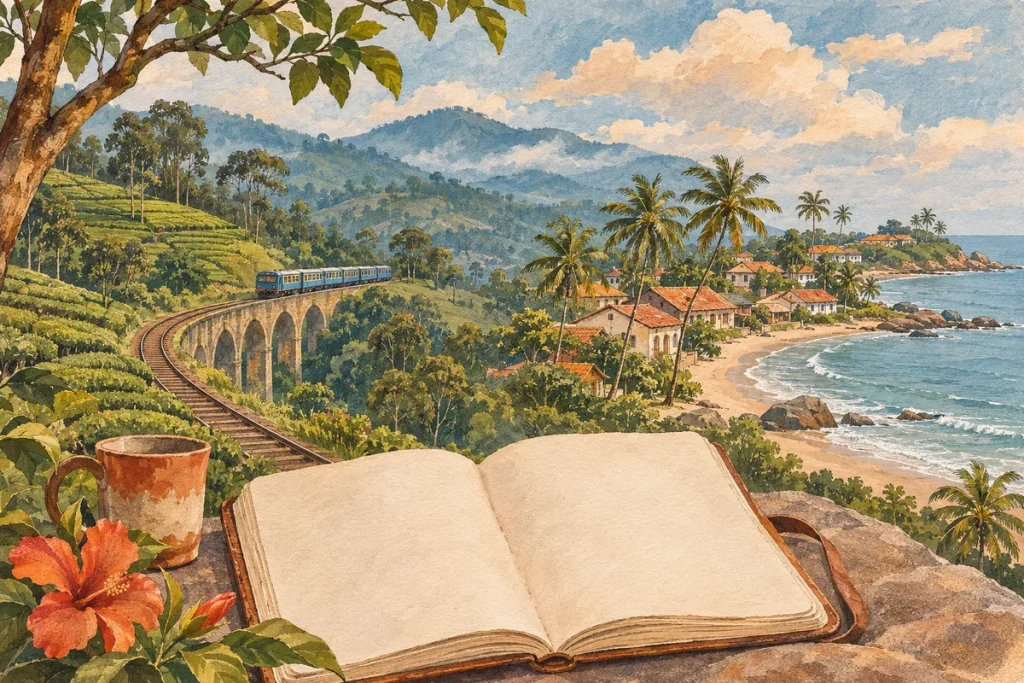
A train journey can be a memorable part of travelling through Sri Lanka, particularly when the route itself is given room in the itinerary. Problems often begin when a scenic journey is squeezed between several tightly timed activities.
The official Sri Lanka Railways reservation service allows travellers to search by departure station, destination and travel date. Availability, service details and booking conditions should be checked for the intended journey rather than assumed from a photograph or an old travel account.
Begin with where you need to arrive
Choosing a destination is only the first step. Work out how the arrival station relates to the accommodation or next stop. A place name used in a travel itinerary may refer to a wider area rather than the exact station where the train stops.
Build the arrival transfer into the plan before booking the rest of the day. Keep the accommodation’s address and contact details available offline, and confirm any arranged pickup directly with the provider. This reduces the need to make hurried decisions on arrival.
Treat travel time as part of the visit
A route may look short on a map while still taking a substantial part of the day. Avoid making a close onward connection the essential foundation of the trip. Leaving some flexibility makes delays less disruptive and allows time for finding a platform, handling luggage and reaching the final destination.
Pack so that frequently needed items are easy to reach. Keeping luggage manageable is useful in shared spaces, and a charged phone with offline notes is more helpful than relying entirely on a mobile signal.
Enjoy the view from a safe place
Photographs should be taken from a safe position inside the carriage, without leaning out or obstructing doors and aisles. Fellow passengers are using the train for their own journeys; ask before making someone the subject of a picture.
A thoughtful rail itinerary does not need to include every famous viewpoint. One well-planned route, a realistic arrival arrangement and time to settle into the destination can produce a better trip than a sequence of hurried stops. The railway then becomes part of the experience rather than an obstacle between attractions.