Reduced Rainfall and Coal Plant Issues Raise Electricity Cost Concerns

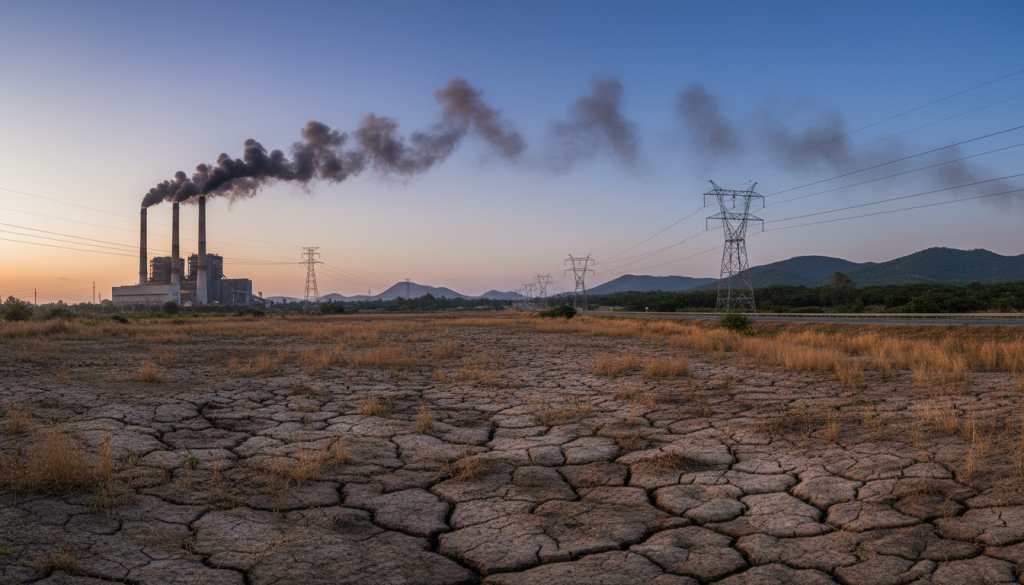
Sri Lanka’s power sector is navigating a difficult period. A combination of dry weather and technical troubles at major thermal facilities is putting pressure on the national grid.
These parallel challenges threaten the stability of electricity supply. They also create a direct impact on the price consumers pay for power.
The nation’s energy system relies on a mix of sources. Hydropower, a key renewable source, is sensitive to climatic conditions. Meanwhile, thermal generation faces its own set of issues.
This situation has led to serious discussions about proposed tariff hikes. Authorities have called for public conservation efforts to manage demand.
This article will examine the root causes of this dual crisis. It will analyze the effect on generation in Sri Lanka and the resulting financial burden. Finally, it explores potential paths forward for the country’s energy security.
1. Introduction: Sri Lanka’s Power Sector in Crisis
Converging environmental and operational failures have triggered a severe power sector crisis. This situation represents a critical test for the nation’s entire energy system.
The stability of electricity supply is threatened from multiple directions. External factors, like geopolitical tensions, disrupt vital fuel imports. Internal weaknesses, including procurement failures, compound the problem.
This emergency is not a sudden event. It results from accumulating pressures over time. A long-term reliance on imported fossil fuels has created vulnerability.
The immediate trigger is a dual blow. Dry weather has slashed output from hydro dams. Simultaneously, substandard coal has compromised thermal generation.
The human and economic impact is direct. Households and businesses face much higher electricity bills. This financial strain adds to existing economic conditions.
Key institutions are at the center of the response. The Ceylon Electricity Board (CEB), Ceylon Petroleum Corporation (CPC), and the Public Utilities Commission of Sri Lanka (PUCSL) are managing the fallout.
This crisis highlights the need for sectoral reforms. Recurring audit findings point to persistent procurement weaknesses. Accountability and transparent management are now urgent priorities.
The following analysis will explore generation in Sri Lanka in detail. Understanding this landscape is key to navigating a path forward.
2. The Current Electricity Generation Landscape
The composition of power produced on a typical day highlights critical vulnerabilities within the system. Data from a recent Thursday offers a clear snapshot.
Total electricity generation reached 59.98 GWh. Fossil fuels supplied over 53% of this output.
This heavy reliance on imported fuel defines the present energy landscape. It creates both operational and financial pressure.
2.1. Heavy Reliance on Thermal Power: Coal and Diesel
Coal was the largest single source that day, providing 16.13 GWh. Thermal power plants using oil added 15.80 GWh.
This dependence on thermal generation has increased. Quality problems with coal imports and naphtha shortages are key reasons.
The system now shifts more to diesel. This move carries a high financial impact.
Diesel is a costly fuel for power generation. The Ceylon Petroleum Corporation incurs significant losses supplying it.
2.2. Hydropower’s Diminished Role Amid Dry Conditions
Hydropower contributed 12.50 GWh, or 20.86% of the total. This is below its traditional capacity.
Dry conditions are the direct cause. Major catchment areas recorded zero rainfall.
Reservoir levels at Castlereagh, Maussakelle, Victoria, and Samanalawewa are declining. Hydropower, a key grid stabilizer, cannot perform its usual role.
This shortfall forces greater reliance on thermal power plants. It strains the entire generation plan.
2.3. Renewable Energy Contributions and Limitations
Solar power made a strong showing, delivering 13.07 GWh. It met over 21% of daytime electricity demand.
However, its contribution falls to zero after sunset. This exposes a major grid weakness.
Peak demand hits around 7 p.m., reaching 3,142.4 MW. The system must then call on other sources.
During these peak hours, coal plants supplied 697.5 MW. Mahaweli hydropower added 679.6 MW. Independent power plants using thermal oil provided 588.5 MW.
These are known as dispatchable sources. They can be turned on to fill gaps when sun or wind fade.
The current landscape has a dual-peak demand pattern. Renewable energy sources excel during the day.
Yet the evening peak requires expensive, fuel-based generation. This structure is unsustainable from a cost perspective.
It sets the stage for the specific crises explored in the following sections.
3. Impact of Reduced Rainfall on Hydropower Generation
Hydropower’s contribution to the national grid is shrinking due to persistent dry spells across catchment areas. This decline directly affects electricity generation capacity. It forces a greater reliance on other, more expensive sources.
The impact on hydropower generation is immediate and severe. Major reservoirs have seen no meaningful precipitation for weeks. This situation strains the entire energy system.
3.1. Declining Reservoir Levels and Catchment Area Droughts
Water levels at key sites are dropping steadily. Facilities like Castlereagh, Maussakelle, Victoria, and Samanalawewa are all affected. Their storage is crucial for both irrigation and power.
The Irrigation Department manages these resources. Its Director General has clarified the priority. Water management serves agriculture first; hydropower generation is a beneficial byproduct.
This policy limits the water available for turbines. Necessary releases for the Yala cultivation season take precedence. The department must balance competing national needs.
A specific operational strategy has been adopted. The grid maximizes solar and wind during daylight days. It then calls on hydropower reserves during the evening and night.
This balancing act is becoming harder. With reservoir inflows minimal, the strategy’s sustainability is in question. The conditions present a clear risk to electricity supply stability.
3.2. Long-Term Forecasts: El Niño and Monsoon Weakening
Meteorological forecasts point to a challenging period ahead. The Department of Meteorology expects El Niño conditions to develop from May. This climate pattern significantly alters weather across Sri Lanka.
El Niño typically weakens the southwest monsoon. It leads to wind pattern changes that result in rainfall deficits. These deficits threaten long-term reservoir replenishment.
Experts note the complexity of weather systems. Short-term rain events cannot be relied upon for national energy planning. The sector must prepare for a prolonged dry spell.
The risk profile for the coming months is elevated. A weakened monsoon would directly impact electricity generation capacity well into the future. Financial pressure on the power sector is set to increase.
This environmental challenge underscores a systemic vulnerability. Sri Lanka’s generation mix remains exposed to climatic shifts. Planning must account for this enduring reality.
4. Coal Plant Issues: Substandard Imports and Operational Failures
A man-made crisis stemming from poor-quality coal has crippled a cornerstone of the national electricity grid. Operational failures at the Lakvijaya Power Plant in Norochcholai reveal systemic flaws.
These flaws directly affect power generation stability and financial health. The situation adds immense pressure to an already strained energy landscape.
4.1. The Lakvijaya Power Plant Crisis and Quality Control Lapses
The Lakvijaya facility is the largest thermal power plant in Sri Lanka. It requires about 2.25 million metric tons of coal annually for optimal operation.
This single site typically provides 30-40% of the nation’s electricity. Its performance is critical for the entire system.
Recently, its output has fallen significantly below its designed 900-megawatt capacity. It now operates at roughly 810 megawatts. The primary cause is the use of substandard coal imports.
Low-quality fuel burns inefficiently. It leads to higher ash content and increased wear on machinery. This process reduces the plant’s overall efficiency and reliability.
The National Audit Department confirmed the quality lapses in a detailed report. President Anura Kumara Dissanayake also acknowledged the problem publicly in Parliament.
Audit warnings from as far back as 2016 and 2022 were reportedly ignored. This points to persistent weaknesses in procurement and quality control protocols.
4.2. Financial Losses and Increased Generation Costs
The financial impact of this operational failure is severe. The audit estimated a direct loss of Rs. 2.24 billion.
This loss came from increased coal consumption needed to produce the same amount of power. Inefficient fuel requires more volume to achieve necessary heat.
Total coal-related losses are estimated to be around Rs. 7 billion. This figure includes broader economic effects.
The generation shortfall forced a shift to more expensive diesel-powered electricity generation. Diesel is a far costlier fuel source than coal.
This substitution significantly raises overall generation costs for the utility. Consumers ultimately bear this burden through their bills.
The government has taken action against suppliers. Payments were withheld, and financial penalties were imposed.
These penalties effectively reduced the coal price from $98 per tonne to $34. Legal recourse is also being explored to recover funds.
These operational failures have directly contributed to proposals for higher electricity tariffs. They underscore how management issues at key power plants can affect the entire nation’s cost of living.
5. Fuel Supply Shortages: Naphtha, Diesel, and Crude Oil Delays
The nation’s electricity system faces a new threat from delays in fuel imports and shortages. This crisis compounds existing generation issues within the power sector.
Disruptions in the fuel supply chain now pose a direct risk to energy security. Officials have issued urgent warnings about the situation.
The Ceylon Petroleum Corporation (CPC) is at the center of this emergency. Its chairman, D.J. Rajakaruna, highlighted critical delays in crude oil shipments.
A major consignment of 90,000 metric tons, expected in late March, did not arrive. This failure has a domino effect on refinery operations.
5.1. CPC’s Warnings and Emergency Procurement Measures
The delayed crude shipment has caused a critical shortage of naphtha. The Sapugaskanda refinery is the sole producer of this key power generation fuel.
Without crude oil, naphtha production has effectively halted. This threatens the supply for thermal plants that depend on it.
CPC has activated emergency procurement to bridge the gap. A tender secured a furnace oil shipment expected between 12-13 April.
The government is also subsidizing fuel sales at a significant loss. For every liter of diesel sold, CPC incurs a loss exceeding Rs. 204.
Additional emergency shipments for April have been scheduled to bolster stocks:
- Two diesel shipments of 37,000 MT each, due on 6-7 April and 7-8 April.
- Consignments of Jet A-1, fuel oil, and petrol.
- A separate shipment of 38,000 MT from India arrived on March 28.
These measures aim to prevent an immediate collapse in fuel availability. The CPC Managing Director stated diesel stocks are sufficient until the end of May.
5.2. The Costly Shift to Diesel for Nighttime Power
The naphtha shortage forces a major operational change. Authorities confirm that nighttime electricity will now be powered primarily by diesel.
This shift represents a heavy financial burden. Diesel is a far more expensive fuel for generation compared to naphtha or coal.
The increased reliance on diesel coincides with rising global oil prices. This double squeeze places immense strain on the national treasury.
Officials have linked this cost directly to proposed tariff increases. Consumers will feel the impact through higher bills.
To secure long-term supply, Sri Lanka is negotiating with Russia for fuel imports. These talks are part of a broader strategy to diversify sources.
In the short term, the assurance of sufficient diesel stocks may avert blackouts. However, the economic cost of this reliance is unsustainable.
The energy supply chain remains fragile. Any further disruption could jeopardize electricity stability, especially after sunset.
6. How Reduced Rainfall and Coal Plant Issues Raise Electricity Cost Concerns
A detailed cost analysis shows how operational and environmental crises translate into billions of rupees in additional expenses for electricity production. The dual shortfall in hydro and thermal generation has a direct, calculable impact on the nation’s finances.
This section connects the root causes to the financial effect. It details the immediate cost implications and traces how they ripple out to proposed tariff hikes.
6.1. Direct Cost Implications from Fuel-Based Generation
The financial burden of replacing lost power is now clear. Official projections quantify the strain from shifting to diesel and other thermal fuels.
Replacing the lost coal capacity with diesel is estimated to cost around Rs. 25 billion for the April-June quarter. The net additional burden exceeds Rs. 20 billion.
The National System Operator projected a total additional cost of roughly Rs. 42 billion for the same period. High-priced heavy fuel oil shipments from April will add to these costs.
These figures represent the direct generation costs. They are the primary driver of the final price paid by consumers.
When hydropower fades and coal plants underperform, the system must use expensive backup fuels. This happens most during evening peak hours.
The impact on electricity generation economics is severe. The per-unit cost of producing power rises sharply.
6.2. The Ripple Effect on Tariff Proposals and Public Burden
High generation costs inevitably lead to tariff hike proposals. The Ceylon Electricity Board (CEB) must cover these soaring expenses.
Its proposals land before the Public Utilities Commission of Sri Lanka (PUCSL). The regulator reviews the justification for any increase.
This creates a direct pass-through of system failures to the public. Households and businesses absorb the financial shock through higher monthly bills.
A contradiction often exists between official assurances and economic reality. While stability is promised, the cost pass-through is inevitable.
The pressure on family budgets is significant. For many in Sri Lanka, electricity is a non-negotiable expense.
These concerns raise important questions about accountability and long-term planning. The public bears the burden for sectoral weaknesses.
This financial ripple effect sets the stage for a specific, major tariff hike proposal. The scale of the proposed increase reflects the depth of the current crisis.
7. Proposed Tariff Hikes and Economic Burden
The financial fallout from the generation crisis has crystallized into a specific tariff revision request. This formal proposal seeks to transfer a massive new expense directly to the public.
It represents the direct monetary impact of operational and environmental failures. The price of stability in the power sector is now quantified.
7.1. The 53% Increase Proposal and Its Justification
A revised tariff filing before regulators seeks an additional 53% increase. This move is justified by a requirement for nearly Rs. 40 billion.
Officials state roughly half of this sum, about Rs. 20 billion, is linked directly to the thermal fuel issues. A drop in coal-based output of nearly 250 GWh forced the system onto diesel.
The shift to diesel for replacement power carries an estimated cost of Rs. 25 billion. These figures form the core argument for the steep hike.
The National System Operator’s projection supports this justification. It estimated Rs. 42 billion in additional generation costs for the April-June quarter.
High global fuel prices and expensive emergency shipments compound the problem. The filing argues these external and internal factors necessitate a major tariff adjustment.
The proposed increase is framed as essential for financial stability. It aims to cover the soaring expenses of producing electricity under current conditions.
7.2. Consumer Impact and Calls for Accountability
If approved, the hike would place a severe strain on family budgets across Sri Lanka. Households already grappling with high living costs would face a direct hit.
The broader economic burden extends to businesses and manufacturing. Higher energy prices can slow overall economic recovery.
Critics argue that this approach unfairly penalizes the public. Former Energy Minister Patali Champika Ranawaka has warned against transferring the burden of inefficiency losses to consumers.
He and others emphasize that procurement failures should not result in public hardship. This perspective has sparked loud calls for accountability within the sector.
There are urgent demands for action against those responsible for the fuel quality lapses. The focus is on fixing systemic weaknesses rather than just raising tariffs.
A key question remains about recovering losses from suppliers. Estimates suggest up to Rs. 21 billion might be recouped.
The likelihood of consumers ultimately footing the entire bill is a major public worry. It links the stability of electricity supply directly to the financial security of households.
Managing peak electricity demand becomes even more critical under this financial pressure. The debate highlights a fundamental tension between sector solvency and public affordability.
8. Government and Regulatory Responses
Regulators and government agencies are implementing a dual strategy of public appeals and punitive actions. This approach aims to manage immediate grid pressure while addressing past failures.
Officials face the complex task of maintaining system stability. They must also ensure accountability for procurement lapses.
The response involves key institutions like the Public Utilities Commission. Their measures seek to balance short-term needs with long-term reforms.
8.1. Public Appeals for Energy Conservation
The Sri Lanka Sustainable Energy Authority (SLSEA) has made an urgent public request. Chairman Prof. Wijendra Jayalath Bandara asked consumers to shift their use away from peak hours.
The critical window is between 6 p.m. and 10 p.m. The most strained period is 6 p.m. to 8:15 p.m.
Small actions by millions of households can have a major collective impact. Switching off a single light bulb nationally could reduce peak demand by 45 megawatts.
Turning off one fan could save 72 megawatts. Avoiding refrigerator use during peaks could cut 98 megawatts.
Government politicians have echoed calls for responsible energy consumption. They emphasize that public cooperation is vital for grid stability.
Electric vehicle owners received specific advice. They should avoid charging their vehicles during evening peak times.
This conservation drive represents a key short-term measure. It aims to lower strain without requiring new infrastructure.
8.2. Penalties on Suppliers and Legal Recourse
The Public Utilities Commission of Sri Lanka plays a central regulatory role. PUCSL Chairman Prof. Lalith Chandralal addressed supply continuity concerns.
He stated no immediate power cuts are planned. This assurance depends on continued fuel supply to thermal plants.
The commission finalized tariff revision details on March 30. It must review any hike proposals to protect consumer interests.
Concurrently, the government has taken action against coal suppliers. Penalties were imposed for delivering substandard fuel.
Payments were withheld from responsible companies. Financial penalties effectively reduced coal prices from $98 to $34 per tonne.
Legal recourse is being explored to recover losses. These punitive measures aim to hold suppliers accountable.
They also seek to deter future quality lapses in the energy system.
Serious questions remain about the effectiveness of these responses. Conservation appeals rely on voluntary public participation.
Penalties address past failures but don’t guarantee future power sector stability. Many observers wonder if these steps are sufficient.
The public utilities commission and other bodies must navigate these challenges. Their actions will shape Sri Lanka’s electricity future.
9. Systemic Weaknesses and Sectoral Reforms
Beyond the immediate triggers of drought and fuel quality lies a deeper problem of unheeded warnings and systemic flaws. The current emergency in the energy sector is not a one-off event.
It is a symptom of chronic weaknesses in governance and planning. Lasting stability requires fixing these root causes.
Official audit reports provide a clear window into these persistent failures. They reveal a pattern that threatens the nation’s entire power infrastructure.
9.1. Audit Revelations and Recurring Procurement Issues
The National Audit Department confirmed systemic weaknesses in procurement, oversight, and verification. Its findings point to a broken process that allowed substandard fuel into the system.
These are not isolated incidents. Recurring audit findings from 2016 and 2022 warned of the same issues.
Those warnings went unheeded for months and years. This lack of accountability created the conditions for the current crisis.
President Anura Kumara Dissanayake highlighted a key distinction. The core problem is suppliers failing to meet quality standards, not necessarily the tender process itself.
This indicates a critical failure in enforcement and quality control mechanisms. Without robust checks, even a fair tender can yield poor results.
The financial impact of these lapses is massive. It directly raises the cost of power generation for the whole country.
More importantly, it destroys public trust in the institutions managing a vital public service. Rebuilding that trust is now a major challenge.
9.2. Paths Toward Transparency and Sustainable Management
Meaningful reform must start with stricter oversight and independent quality verification. Transparent tender mechanisms are non-negotiable.
The goal is a system where failures are caught early and addressed promptly. This requires a cultural shift toward accountability.
Sustainable energy management is another crucial pillar. Long-term planning must formally account for climate risks like prolonged drought.
Reliance on a single fuel source or a handful of large plants creates vulnerability. The sector needs a more diverse and resilient mix.
Learning from this crisis is essential to avoid repetition. Key reform measures should include:
- Independent auditors for fuel quality at the point of origin and upon arrival.
- Public disclosure of major procurement contracts and quality reports.
- Integrated planning that treats water resources for agriculture and power generation as a single, managed portfolio.
- Strengthened regulatory authority for the Public Utilities Commission to enforce standards.
Without addressing these systemic weaknesses, Sri Lanka will face similar emergencies in the future. The triggers may change, but the outcome will be the same.
Building a resilient power sector is the only way to ensure stable and affordable energy for all citizens. This analysis leads directly to the final discussion on forward-looking strategies.
10. Navigating Forward: Strategies for a Stable Power Future
To secure a stable and affordable electricity future, Sri Lanka must embrace a multi-pronged strategy. Diversifying the energy mix is critical. Accelerating renewable energy like solar and wind, paired with storage, can cut reliance on imports.
Modernizing the grid system is equally vital. Smart technologies can manage peak demand during evening times. This helps balance supply across different days and months.
Fundamental reforms in procurement and planning are needed for the power sector. Strict quality controls prevent fuel quality issues. Long-term strategies must account for changing climate conditions.
Sri Lanka can turn this crisis into an opportunity. Building a transparent and efficient energy system ensures reliable power generation for all. The path forward requires decisive action now.