Cash Counting Machine Price in Sri Lanka Beyond the Initial Purchase

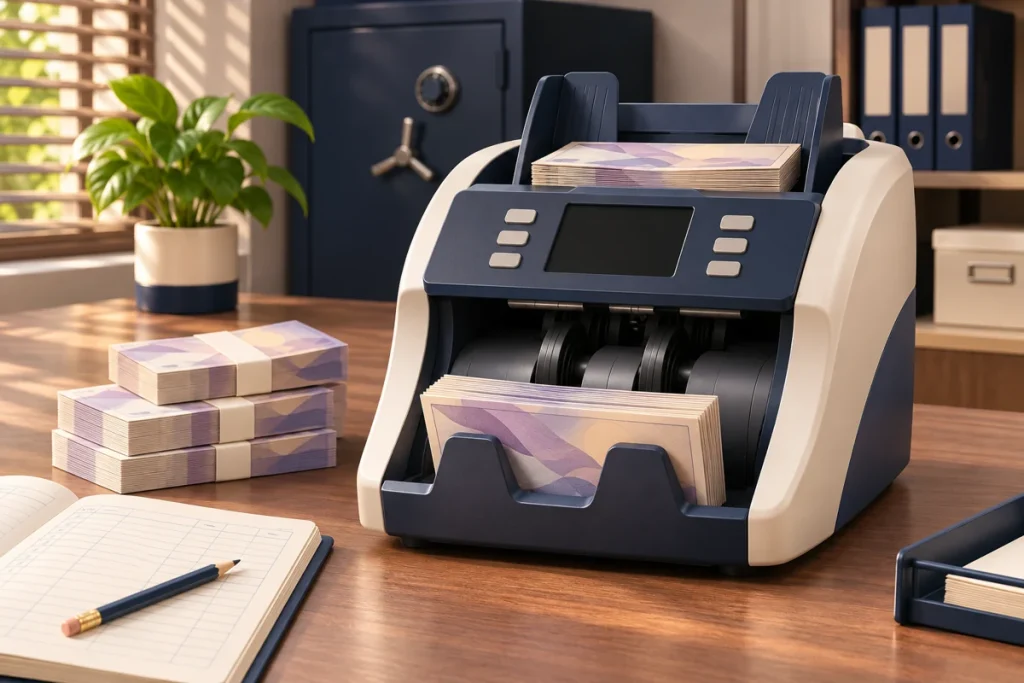
The purchase invoice is the beginning of equipment ownership, not a complete picture of it. A business reviewing cash counting machine price in Sri Lanka should also consider setup, training, routine care and the effect of interruptions. Cash counter ownership cost is best understood as a group of practical responsibilities over time. Some items can be confirmed in a quotation, while others depend on workload and how the equipment is managed. Keeping those categories separate makes the budget more useful and avoids presenting uncertain future costs as fixed commitments.
Define what is included on delivery
Ask whether the quoted amount includes delivery, configuration and any accessories required for the intended task. Confirm the exact model and supported currency setup. If the business needs a demonstration or an acceptance check, agree on that before ordering. These details establish what the equipment should be ready to do when it enters service.
Include the workspace in the preparation plan. A suitable counter, clear access and an appropriate electrical arrangement may already exist, but that should be checked. Do not assume delivery alone means the station is ready. Identify any preparation costs separately so the equipment price remains clear and the complete purchase budget reflects the conditions in which the machine will actually operate.
Treat training as part of ownership
Ask what initial instruction is available and who should attend. Training should cover the selected modes, note preparation, normal interruptions and the recording process used by the business. If several shifts share the machine, consider how every authorised operator will receive the same information. A single demonstration to one person may not meet the needs of the whole team.
Plan for staff changes as well. Keep the manual and approved instructions available so new users do not learn only by copying informal habits. The business may choose internal refresher sessions or request further assistance when required. These arrangements take time, even when they do not create a separate supplier charge, and they belong in a realistic view of ownership.
Understand maintenance responsibilities
Read the manual's routine care requirements and identify which tasks operators may perform. More technical work should be assigned to appropriate personnel. Ask how service is arranged and what information should be recorded when reporting a fault. A clear reporting process can help a technician understand the problem without repeated incomplete explanations.
Avoid inventing a universal maintenance interval or consumable cost for every machine. Requirements depend on the equipment and conditions. Where the supplier provides a recommended service arrangement, review its scope and price. Keep assumptions visible in the budget and update them from actual experience rather than treating a broad estimate as a precise forecast for the entire period of ownership.
Read the warranty as a scope of cover
Confirm what the warranty covers, how long each relevant part is covered and what exclusions apply. Ask whether transport, inspection or other service arrangements affect the process. A large warranty duration printed in a sales description does not explain every practical detail. Keep the written terms with the invoice and equipment identification information.
Ask how a claim is initiated and which documents will be needed. If the business operates at several locations, clarify where service is delivered or where equipment must be sent. Do not assume that every purchase includes on-site support or a replacement unit during repair. Those arrangements should be confirmed specifically if they are important to the business's operating plan.
Budget for continuity without exaggerating risk
Consider what staff will do if the machine is temporarily unavailable. An approved manual process, access to another authorised station or another arrangement may be suitable depending on the business. The continuity plan should preserve cash records and responsibilities. Its purpose is to keep ordinary work organised while a problem is assessed.
Estimate disruption only where there is a reasonable basis. Avoid using dramatic unsupported downtime figures to justify a purchase. Instead, identify the tasks affected, the available alternative and any likely additional effort. This gives decision makers a practical understanding of dependence on the equipment without pretending that every interruption will have the same duration or financial consequence.
Create an ownership record on delivery with the equipment identity, configuration, purchase documents and the route for reporting a problem. Add service and training notes as they occur. This record need not be complicated, but it should remain accessible when the usual operator is absent. Keeping the information together helps the business understand its actual experience with the machine and provides a sound basis for later budgeting or replacement decisions.
Keep ownership assumptions reviewable
Discuss the complete purchase and support scope with Aiken before ordering. Record confirmed charges separately from internal estimates for training, maintenance and continuity. Review the plan after the machine has been used for a representative period. The most useful ownership budget is one the business can update from evidence, helping it understand the equipment's practical cost while maintaining the procedures and care that support reliable daily use.